
Tags
Bible, Christianity, faith, God, hymn, Jesus, Rock of Ages, spirituality, theology, Toplady, Wesley
Some of my earliest memories of church involve Sunday nights at Wesley Chapel United Methodist Church. Sunday mornings were carefully planned, while Sunday nights were a little more unpredictable. My grandmother often moved from the organ to the piano, Miss Marian stood behind the pulpit taking hymn requests, and everyone seemed to know the numbers in the little brown Cokesbury Hymnal by heart.
One hymn we sang often was “Rock of Ages.” As a child, I had no idea what it meant for a rock to be “cleft” for me. Why was I hiding in a rock? Only later did I discover the rich biblical imagery behind those words.
In Exodus 33, Moses asks to see God’s glory. God places him in the cleft of a rock, shielding Moses as the divine presence passes by. The hymn takes that image and points it toward Christ. Jesus becomes the Rock in whom we find refuge—not because we have earned our way into God’s presence, but because grace makes a place for us there.
That is the central message of the hymn: Our effort cannot save us. Our religious enthusiasm cannot save us. Even our tears of repentance cannot purchase forgiveness. We come to Christ empty-handed, trusting what God has done for us rather than what we can do for God.
There is an irony, however, in the story behind the hymn.
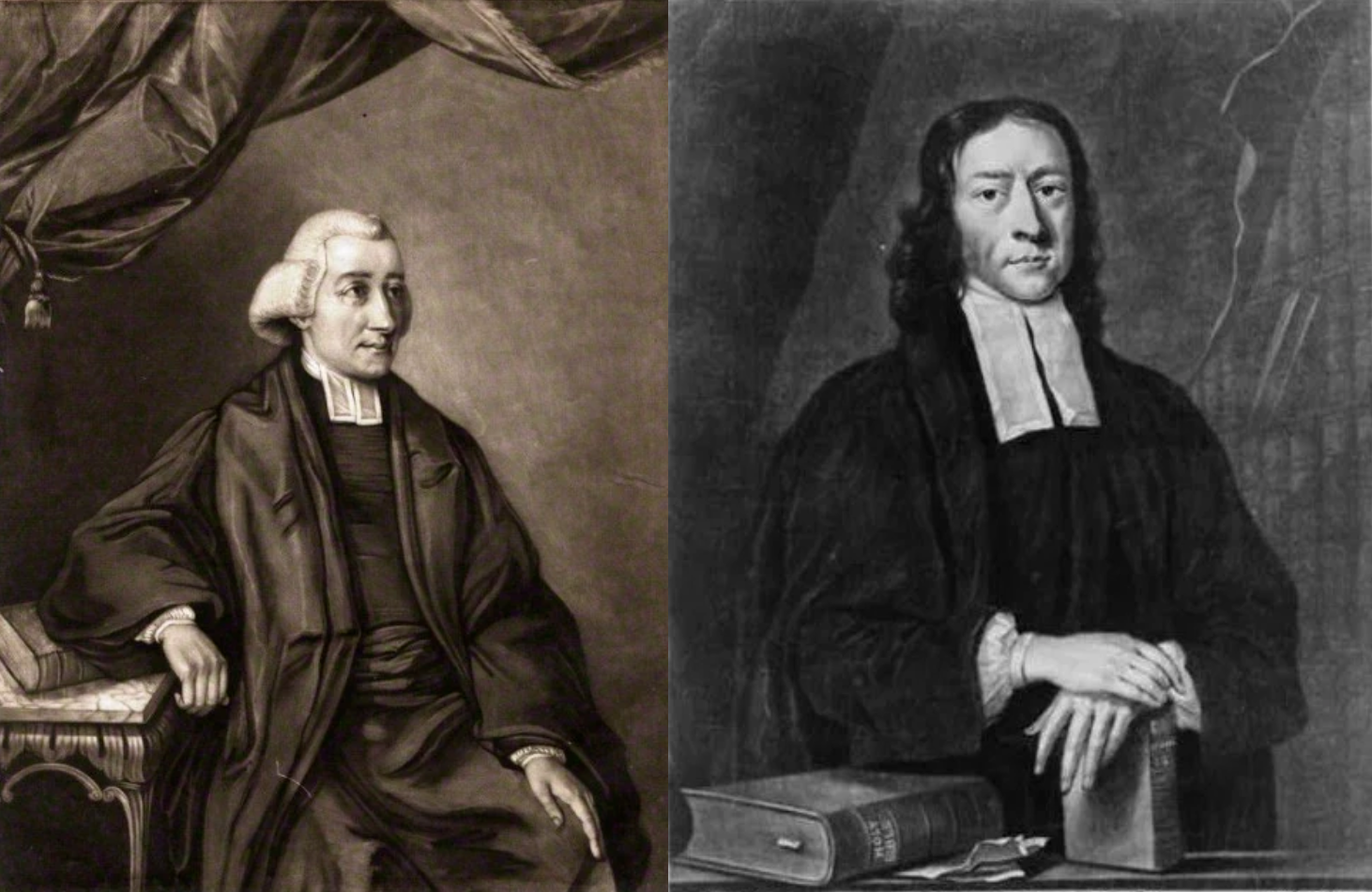
Augustus Toplady, who wrote “Rock of Ages” in the eighteenth century, was involved in a bitter theological dispute with John Wesley. Toplady was a Calvinist who emphasized God’s sovereignty; Wesley emphasized human freedom. Their disagreements became personal, and both men sometimes used words better suited to enemies than brothers in Christ. The hymn Toplady wrote to criticize Wesley eventually found a home in Methodist hymnals. It has been sung for generations by people on both sides of the very debate that helped give birth to it.
I find that both troubling and hopeful. It is troubling because Christians still know how to turn theological convictions into weapons. We can become so committed to proving we are right that we forget Jesus’ command to love one another. We can bless God with our mouths and, as James warns, use those same mouths to wound people made in God’s image (see James 3:5-12).
The story is also hopeful because God is remarkably skilled at redeeming what we misuse.
Years after Toplady and Wesley exchanged their sharp words, I stood in a Methodist church named for Wesley and sang a hymn written by Wesley’s theological opponent. None of us were thinking about old arguments. We were simply singing together about our shared need for grace.
Perhaps that is one of the quiet miracles of the church. Our opinions will differ. Our interpretations will sometimes clash. Beneath all our arguments, however, stands the Rock of Ages, reminding us that none of us comes to God because we are right enough, good enough, or clever enough.
We come by grace…and those who have found shelter in grace should be careful not to throw stones at one another.
